Home / Services / Website Design
Web design for B2B SaaS
built as a system, not as pages.
We design your brand and website as one component-based system with clear rules. So your team, and the AI tools they use, can build new pages on-brand long after launch.
30-minute call. No sales pitch, just an honest view on your website.
.avif)
.avif)
.avif)
.avif)
Most websites look great on launch day. Six months later, every new page is a compromise, because the design was built as a set of pages, not as a system.
Why websites lose their brand after launch
A great launch doesn't guarantee a consistent website. These are the problems we see most often.

Every new page needs a designer
Pages were designed one by one, so there's nothing to build from. Every new landing page means starting over or waiting for design capacity.
A brand book nobody uses
50 polished pages of guidelines that still need a designer to interpret them, for web, for sales decks, for events. So everyone interprets them differently.
Off-brand the moment your team builds
Without clear rules and reusable components, every page your team or AI tools create drifts a little further from your brand.
Components, not pages.
Systems, not brand books.
We put serious time into your homepage, because it's your most important page. But we design it as a set of components, with a brand system behind it that anyone can apply.

Components, not pages
Your homepage gets the most attention, but every section becomes a reusable component. New pages get assembled from proven building blocks instead of being designed from scratch.
- A component library built from your homepage
- New pages without new design work
- The same quality on every page

A brand system, not a brand book
Instead of 50 pages that need interpretation, we define clear rules: which color is used for what, when a pattern appears on an image, how graphics are built. Practical for your team, structured for AI.
- Clear rules instead of open interpretation
- Usable for web, sales and marketing
- Structured so AI tools can apply it
From first moodboard
to a website that scales.
Five steps. Each one ends with something your team can actually use, not a file only designers understand.
1Find your visual direction
Based on your positioning, we explore visual directions in a moodboard and align on one before any design work starts. You get: a clear visual direction your team agrees on.
2Build your brand system
We define colors, typography, imagery, patterns and graphic style, plus the rules for when each one is used. You get: a brand system with rules, not just assets.
3Design the homepage concept
Your homepage is your most important page, so it gets the most time. We design it in Figma and refine it with you until it's right. You get: your final homepage design.
4Turn it into components
Every homepage section becomes a reusable component with variants and design tokens. This is the library every other page is built from. You get: a component library in Figma.
5Build pages, graphics and animation
We assemble your remaining pages from the components, then add custom graphics and animation as the final layer. You get: every key page, ready for development.
What our clients say about us


Tobias Giger
"Since the rebrand and website launch, we've increased our inbound by around 300%, with higher lead quality. Growably combines a deep understanding of B2B SaaS and enterprise with strategic sparring and strong execution."


Lukas Wünneman
“Six months after launch we see 20% more SQLs of much higher quality and a 110% increase in organic Google clicks. The website finally stopped holding us back.”

Maria Jensen
“Growably doesn't just execute - they question and find the best path with us. Together we're developing the website into a real growth channel, going strong for over two years.”

Raoul Bornhauser
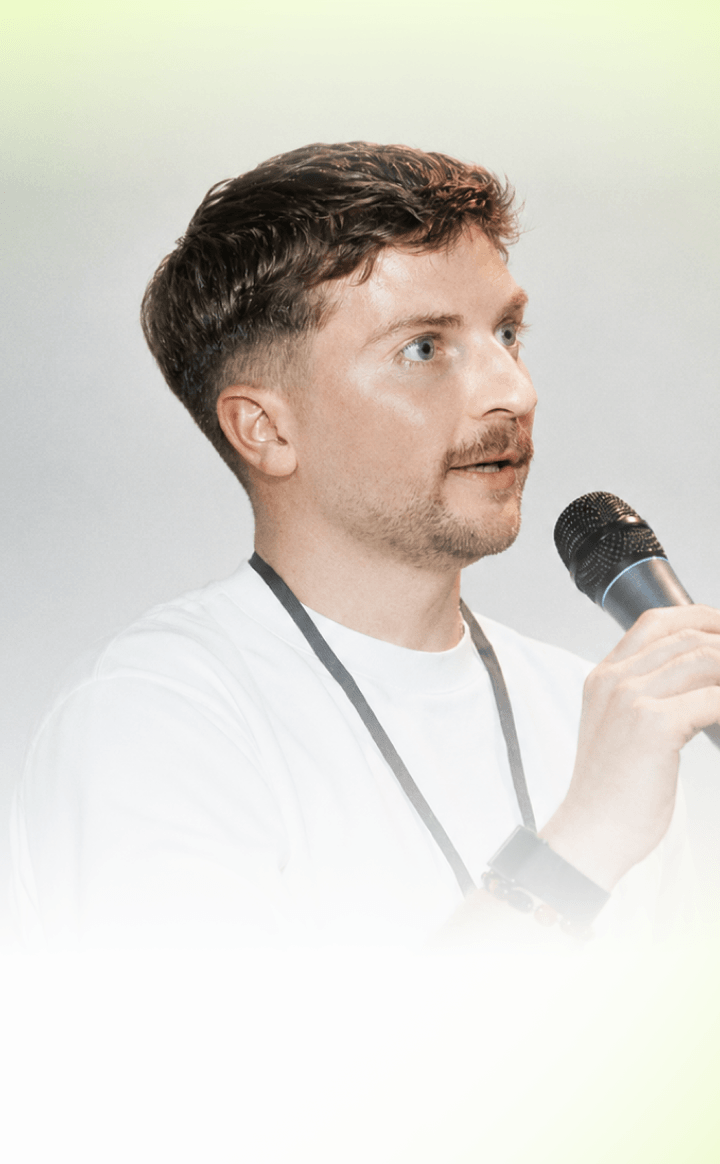
"Growably feels less like a classic agency and more like a strong in-house team — at eye level, with strategic foresight and true ownership."


Martyna Kulinska
“Growably helped us turn complexity into a clear and compelling story. The result is a website that reflects who we are and communicates our solutions with far more clarity and confidence.”


Philipp Streich
“Growably showed us the difference between a website agency and a high-performance website agency. The result speaks for itself — they're worth every euro."”


Hanna Bartholoma
"Transparency from day one: clear timeline and I always knew where we stood. The result: not only did the website quality improve, the perception of equipme changed too."


Vivien Heinicke
"The clearly structured process guided us efficiently through every phase. In the open exchange, ideas kept getting better — the result exceeded our expectations."

What you walk away with
01
Brand system
Colors, type, imagery, patterns and graphics, with clear rules for when to use what.
02
Component library
Every section as a reusable Figma component with variants, ready to build new pages from.
03
Website design
Your homepage and every key page, designed from the system and ready for Webflow development.
04
UI kit & digital brand guide
One practical reference for your team, partners and AI tools. Not a 50-page PDF.
Questions about website design
What B2B SaaS teams ask us before they start a design project.
Yes. Our offer is modular. Some teams book design as a standalone project, others as part of a full relaunch with strategy and Webflow development. We scope the right setup with you in the first call.
No. If your brand works, we turn it into a system with clear rules. If it needs work, we evolve it as part of the brand system step.
A brand book shows how your brand should look. A brand system defines the rules for applying it, so your team can use it without a designer interpreting every decision.
That's what the system is built for. Components and brand rules are clearly structured, so AI tools can work with them far more reliably than with a PDF brand book.
Because pages designed one by one can't be scaled. We put the most time into your homepage, then build every other page from its components. That keeps quality high and makes every future page faster.
Usually 6-8 weeks, depending on the number of pages and how quickly feedback comes back from your side.
A brand system with clear rules, a component library in Figma, designs for every key page, plus a UI kit and digital brand guide your whole team can work with.
A website your team can keep building
long after launch.
Let's look at your current website and brand, and what it would take to turn them into a system. 30 minutes, no sales pitch.